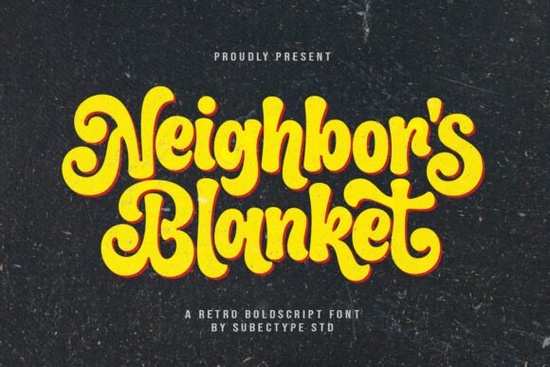
If you’ve ever wanted your designs to feel like a warm hug from someone who’s known you forever, Neighbor's Blanket Font might be exactly what you’re looking for. It’s a modern retro typeface with soft, rounded edges and gentle curves that bring a sense of comfort without sacrificing clarity. Whether you’re designing greeting cards, branding a small bakery, or creating cozy-themed merchandise, this font adds personality while staying easy to read.
What makes Neighbor’s Blanket Font stand out?
Unlike many display fonts that lean heavily into nostalgia but lose legibility, Neighbor’s Blanket strikes a thoughtful balance. Its letterforms are friendly and approachable almost like handwriting but structured enough to work well in both headlines and short blocks of text. The subtle retro influence nods to 1970s and 80s design without feeling dated, which is why it fits so naturally in today’s handmade, cottage-core, or slow-living aesthetics.
You’ll notice how the lowercase “a” and “g” have playful shapes, while uppercase letters keep consistent spacing and weight. This consistency matters if you’re using the font for product labels, social media graphics, or even printable wall art you want charm without confusion.
Who should use this font?
This font shines for creators who value warmth and authenticity:
- Small business owners crafting logos or packaging for bakeries, coffee shops, or handmade goods.
- Print-on-demand sellers designing mugs, totes, or T-shirts with comforting quotes or seasonal messages.
- Crafters and hobbyists making personalized gifts, scrapbook layouts, or holiday cards.
- Graphic designers working on brand identities that need to feel human and inviting not corporate or sterile.
It’s not ideal for long paragraphs or minimalist tech brands, but for anything meant to feel personal, familiar, or gently nostalgic? It’s a strong choice.
How does it compare to other display fonts?
If you’ve browsed Creative Fabrica’s collection, you might already know fonts like College Font, which leans sporty and bold, or Jersey Outline Font, perfect for athletic or vintage team vibes. Neighbor’s Blanket is softer by comparison less about energy, more about ease.
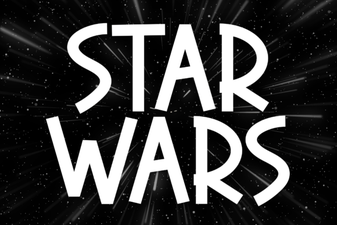
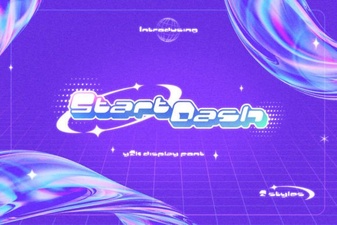
For contrast, consider Start Dash Font, which has sharp angles and a dynamic rhythm, or Right Point Font, built for directional emphasis and signage. Even Star Wars Font (yes, there are script-style interpretations inspired by the galaxy far, far away) trades in drama and fantasy. Neighbor’s Blanket, meanwhile, stays grounded in everyday warmth.
Practical tips for using Neighbor’s Blanket Font
To get the most out of this typeface, keep these ideas in mind:
- Pair it wisely. Use a clean, neutral sans-serif (like Montserrat or Lato) for body text or supporting info. The contrast lets Neighbor’s Blanket shine as the hero.
- Avoid tiny sizes. While legible, its details work best at medium to large scales think headlines, logos, or featured quotes, not fine print.
- Lean into texture. Overlay it on kraft paper, linen, or watercolor backgrounds to amplify its handmade feel.
- Use generous spacing. Slight letter-spacing (tracking) can enhance readability and give each character room to breathe.
And don’t forget: because it’s a single-style font (not part of a large family with multiple weights), focus on layout and color to create visual hierarchy instead of relying on bold or italic variants.
Where can you use it commercially?
Neighbor’s Blanket comes with a standard commercial license from Creative Fabrica, meaning you can use it in client projects, physical products for sale, and digital templates as long as you’re not redistributing the font file itself. Always double-check the license terms when you download, but for most small businesses and independent creators, it’s ready to go.
Whether you’re designing a “Welcome Home” sign, a cozy book club logo, or a set of printable recipe cards, this font helps your message feel less like advertising and more like a note from a friend.
Before you start your next project, ask yourself:
- Does my audience respond to warmth and familiarity?
- Am I using typography to support emotion, not just information?
- Have I tested the font at the actual size it will appear?
If the answer is yes go ahead and give Neighbor’s Blanket Font a try. Sometimes, the right typeface doesn’t just say something… it makes people feel something.
Explore Design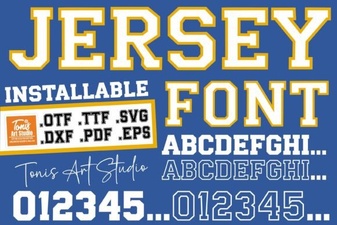 Craft Sports Designs with Jersey Outline Fonts
 Designing with the Star Wars Typography
 Start Dash Font: Project Ideas & Design Tips
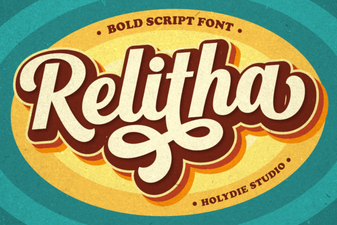 Relitha Font: Creative Typography for Modern Design
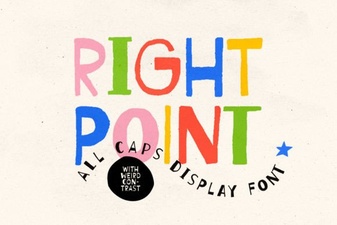 Guide to the Right Point Font for Creative Designers
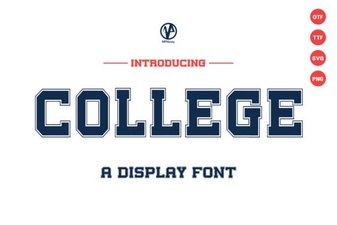 College Fonts: Design Ideas for Student Projects